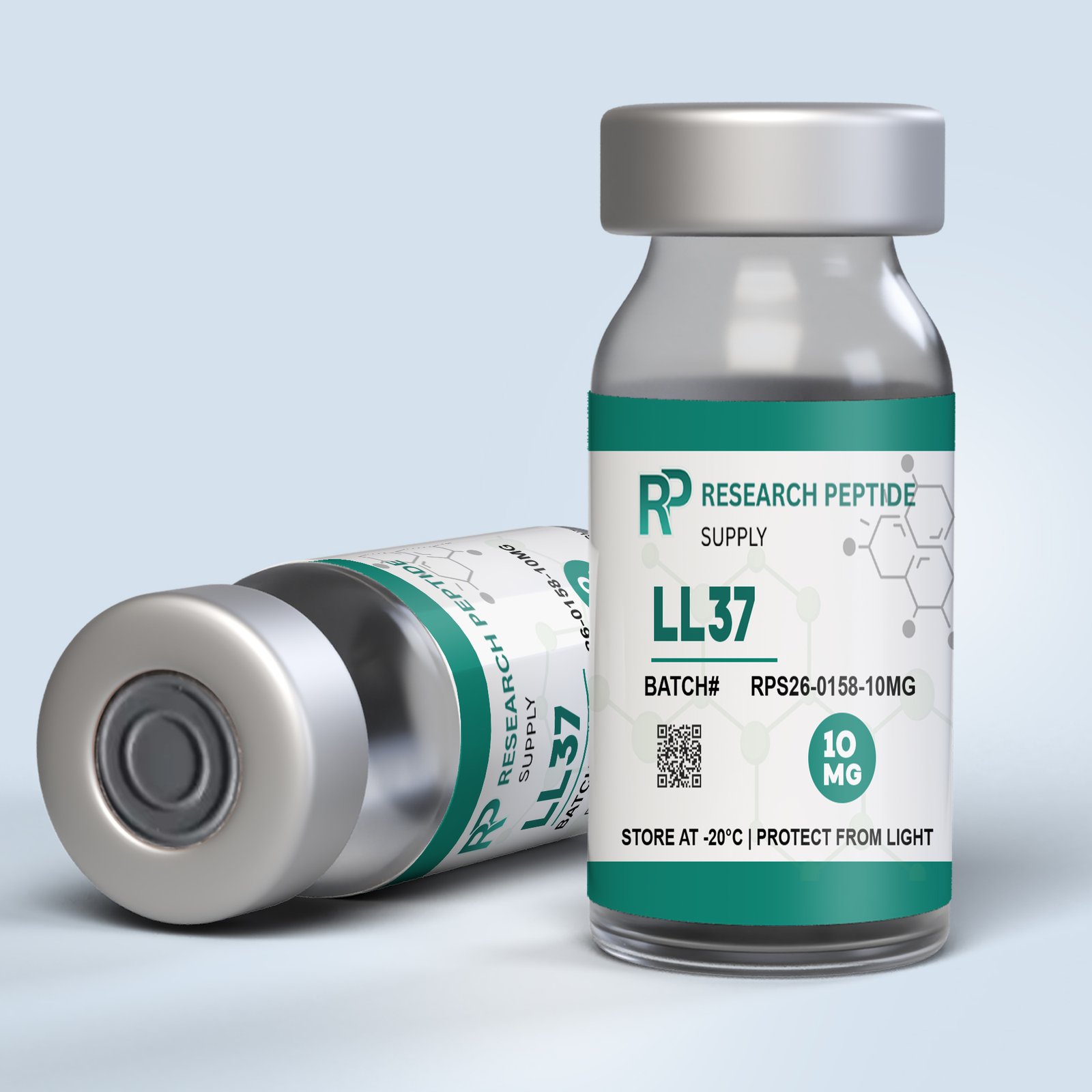
LL-37 Peptide for Sale
LL-37, also known as Cathelicidin, is a cationic peptide composed of 37 amino acids and is primarily found in neutrophils.(1) The peptide appears to be produced by the extracellular breakdown of the hCAP18 proteins caused by protease enzymes. Researched for its potential antimicrobial characteristics, the peptide appears to form agglomerates and lipid bilayers, which may prevent it from easily degrading and protect it from enzymatic action.(1)
Overview
Antimicrobial peptides are structured with the potential to fight against bacteria, fungi, and some virus strains. These peptides may interact with targets in a non-specific fashion, which supports researchers’ belief that once the peptide is introduced, pathogens are unable to develop resistance against these peptides.(2)
LL-37 is a α-helical peptide that scientists believe is required to maintain immunity against all microbes.(3) To understand the functioning of the peptide, a peptide model was created as part of a study(4) based on the assumption that the peptide might interact directly with the bacterial membrane. This study suggested that the peptide first interacts with the lipids on the bacterial membrane via electrostatic characteristics, followed by lateral diffusion and consequent assembly of the peptide on the membrane. This potential interaction may lead to membrane interference and degradation of the bacterial cell.
Several other studies hypothesize how the peptide interacts with microbial membranes, including pore formation on the membrane(3)(5) and extreme membrane disruption caused by the peptide and lipid complexes.(6) These studies universally suggest that peptides have the potential to interact with the microbial membrane, leading to membrane breakdown.
Chemical Makeup
Molecular Formula: C205H340N50O53
Molecular Weight: 4493.34 g/mol
Other Known Titles: CAP-18
Research and Clinical Studies
LL-37 Peptide and Inflammatory Response
The main aim of this study(7) was to determine the inflammatory potential of this peptide. Tissue culture was used, half without alteration and the other half with added U1 RNA. U1 RNA is a non-coding RNA released upon tissue injury. LL-37 peptide was then added to both cultures. Upon genetic analysis, it was suggested by the researchers that the culture that was given both U1 RNA and LL-37 peptide stimulated a reportedly significant response towards epidermal inflammation and defense response. The study proposes that the peptide might potentially enhance the immune system’s response to damaged cells by influencing how self-nucleic acids (DNA and RNA) are recognized. This recognition is apparently facilitated when the peptide interacts with specific cellular receptors, including scavenger receptors (SRs), which may lead to clathrin-dependent endocytosis. This process appears critical for the subsequent activation of inflammatory pathways within the cells. Moreover, the study indicates that LL-37 might enable the binding of dsRNA (double-stranded RNA) to these scavenger receptors, which in turn might lead to a series of signaling events culminating in cytokine expression. Notably, the interaction between LL37 and scavenger receptors such as SR-A6 and SR-B1 may be essential for this process, as blocking these receptors with a competitive inhibitor like fucoidan or silencing their expression significantly reduced cytokine production.
Another interesting aspect of the study is the hypothesis that LL-37 may modulate the immune system by potentially altering how intracellular signaling pathways, such as those involving Toll-like receptors (TLR) and the interferon regulatory factors, and may be activated in response to foreign nucleic acids. As detailed in the study, the involvement of clathrin-mediated endocytosis suggests that LL-37 may help orchestrate the entry of these immune-modulating molecules into cells, which is a vital step for triggering an immune response.