BPC-157 Peptide for Sale
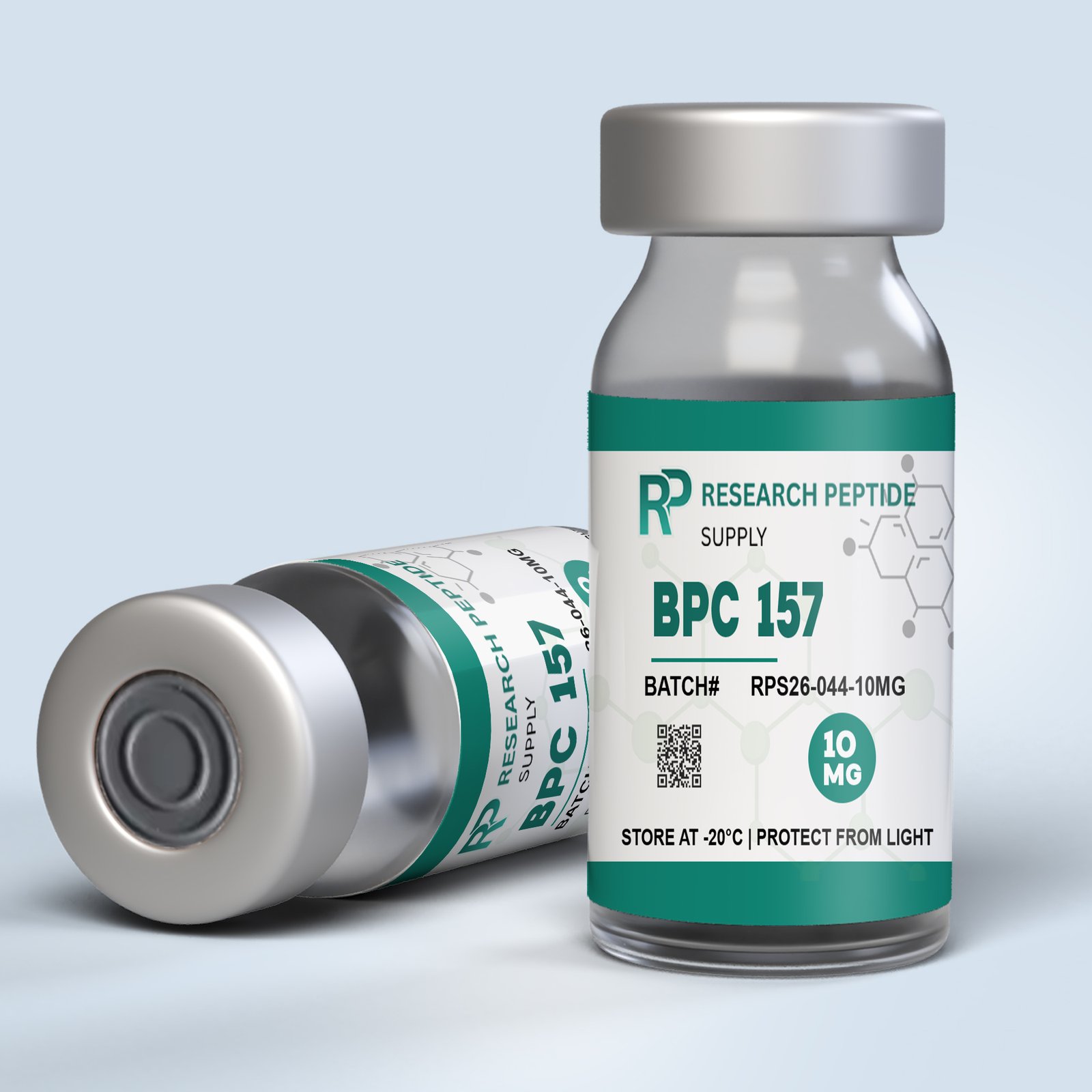
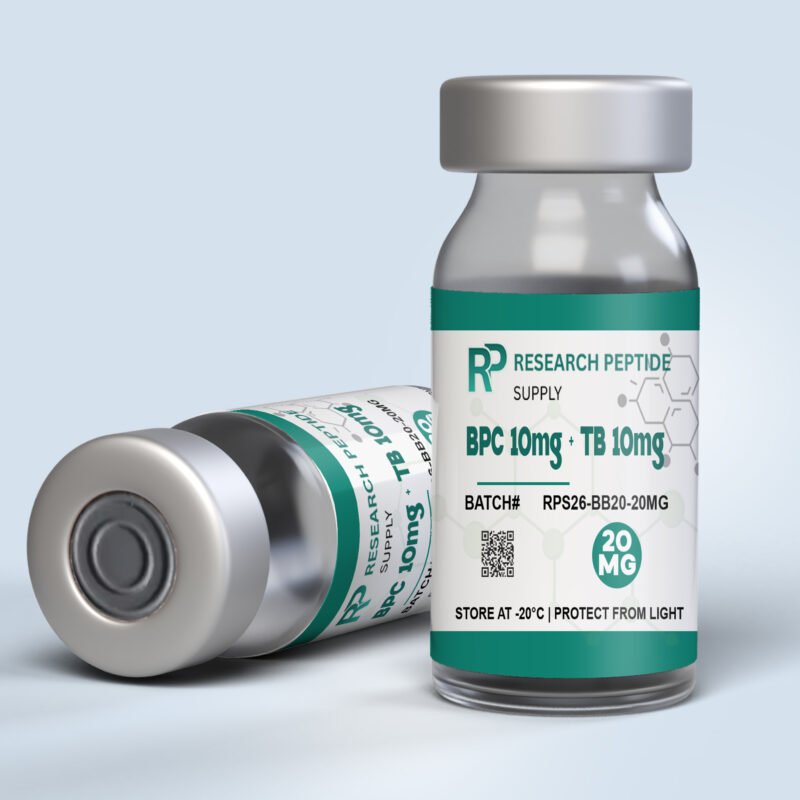
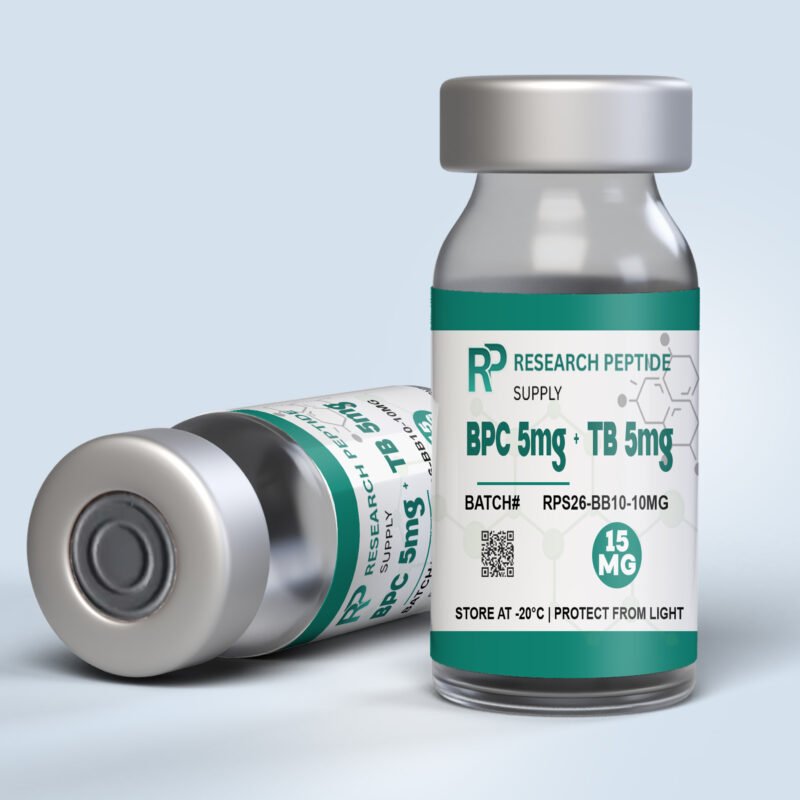
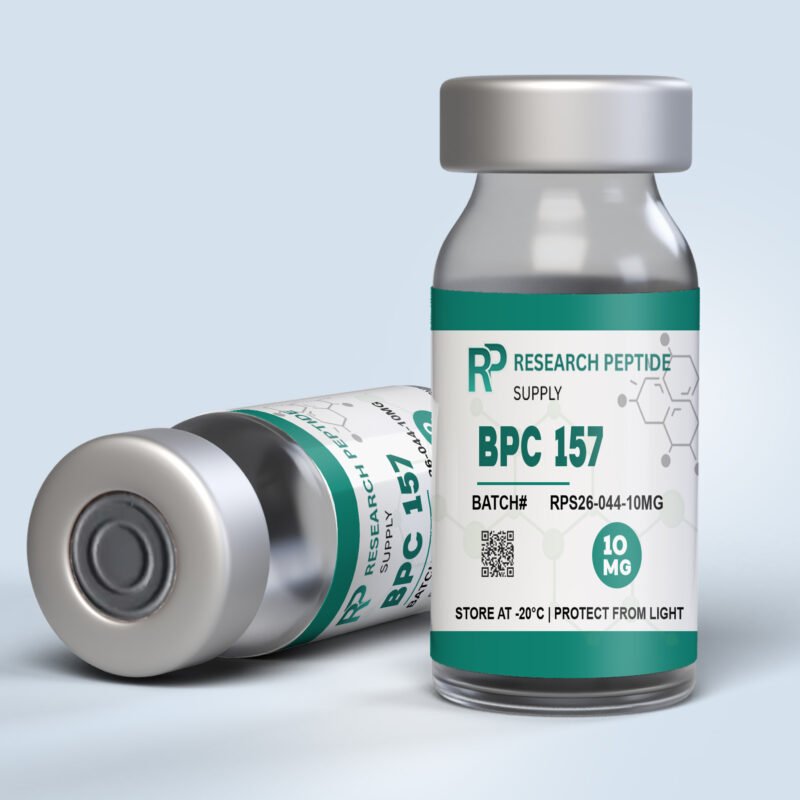
BPC-157 (Body Protection Compound-157), also known as Pentadecapeptide BPC 157, is a synthetic peptide made up of 15 amino acids. Originally derived from a protein fragment found in gastric juice, this compound has been widely studied for its potential regenerative and protective properties in various experimental models.
Overview
BPC-157 has been researched for its possible role in supporting the healing of:
Preclinical studies suggest that BPC-157 may promote tissue repair by stimulating pathways associated with growth hormone receptors and enhancing cell proliferation. Research indicates it may support collagen formation, angiogenesis (the formation of new blood vessels), and improved blood flow to injured areas — all of which are important in the healing process.
The peptide has also been studied in relation to gastrointestinal health. Experimental findings suggest it may influence serotonin activity in the GI tract and support mucosal integrity, gastric blood flow, and ulcer healing. Additionally, laboratory studies have explored its interaction with neurotransmitter systems including dopamine, nitric oxide, and prostaglandins.
Chemical Information
-
Molecular Formula: C₆₂H₉₈N₁₆O₂₂
-
Molecular Weight: 1419.55 g/mol
-
Other Names: Body Protection Compound-157, Pentadecapeptide BPC 157
Research Highlights
Wound Healing
Multiple murine studies have suggested that BPC-157 may enhance wound repair. Findings have included increased collagen deposition, improved granulation tissue formation, enhanced angiogenesis, and accelerated re-epithelialization. Some studies indicate the peptide may upregulate vascular endothelial growth factor (VEGF) and activate ERK1/2 signaling pathways, both of which play important roles in tissue regeneration.
Tendon Healing
In cultured tendon fibroblast models, BPC-157 has been reported to:
-
Promote fibroblast outgrowth
-
Enhance cell migration
-
Improve survival under oxidative stress
-
Activate FAK-paxillin signaling pathways
These findings suggest potential involvement in cytoskeletal organization and tendon tissue repair mechanisms.
Gastrointestinal Healing
Research comparing BPC-157 to other angiogenic growth factors (EGF, FGF, VEGF) has suggested consistent healing responses in both acute and chronic GI lesions in experimental models. Studies have indicated potential anti-inflammatory effects and improved vascularization in tissues including the esophagus, stomach, duodenum, and lower GI tract.
Muscle and Tissue Repair
Experimental models involving corticosteroid-induced muscle damage have shown that BPC-157 may help counteract muscle deterioration and promote functional recovery. Additional research has explored its potential role in fracture healing, ligament repair, and systemic tissue protection.
Neurological and Dopamine-Related Studies
Preclinical studies have examined BPC-157’s interaction with the dopamine system. In murine models, the peptide appeared to modulate amphetamine-induced behavioral responses and influence central nervous system recovery following traumatic brain injury (TBI). Some findings suggested reduced lesion severity and improved survival rates in experimental TBI models.